
Tattoo-Friendly Onsen in Japan: The Ultimate Guide for Tattooed Travelers


Learn how to find Japan’s best tattoo-friendly hot springs, with first-time onsen etiquette tips and practical advice for planning a soak where you’ll feel genuinely welcome. Just you, your tattoos, and the peace of mind you deserve on your trip.
Do Hot Springs in Japan Allow Tattoos?
Let's address the elephant in the room: you have tattoos, you want to experience authentic Japanese hot springs, and you're nervous of being turned away.
Instead of feeling excited about visiting that onsen everyone’s raving about, you’re stuck worrying you’ll show up to a ‘no tattoos’ sign. The endless Google searches that leave you more confused than when you started? Been there.
But here's what's changed.
Thousands of tattooed travelers are discovering Japan's incredible onsen culture every year. Many soak in public baths alongside locals, lost in the steam, no stress, free to relax, tattoos and all. (Private baths and cover-ups are great options too.)
This guide transforms that knot of uncertainty into confident planning. You'll understand why policies exist, discover your welcome options, and learn to approach the traditions with respect and assurance.
Most importantly? You'll experience authentic Japanese hot spring culture as a valued participant.
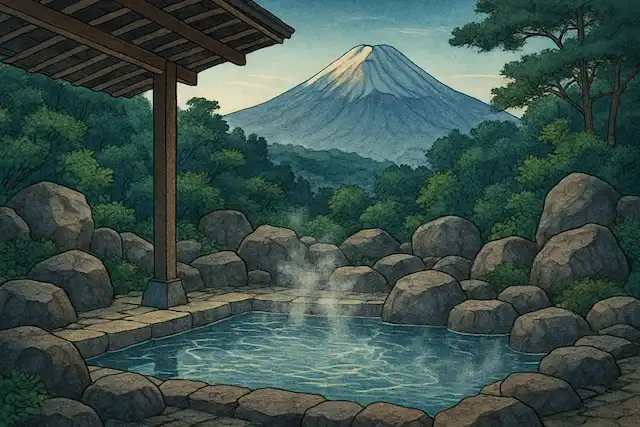
Understanding Japan's Onsen Culture
Before we get to the good stuff (like where you can actually soak worry-free), let’s clear up what onsen really mean in Japan.
Onsen are sacred spaces woven into Japanese life for over a thousand years. Places where CEOs and construction workers become equals in shared vulnerability. Where the ritual of washing becomes meditation, and silence speaks louder than conversation.
This matters for one crucial reason: understanding why policies exist helps you approach them with empathy instead of frustration.
Why Policies Exist (The 60-Second Version)
This is what you need to know about Japanese onsen culture.
Onsen are communal spaces where social hierarchies dissolve. The careful ritual of purification before entering, the meditative quiet while soaking, the unspoken agreement to leave the outside world outside. These create experiences that transcend simple relaxation.
Now, about those tattoo policies.
They stem from post-war cultural associations rather than aesthetic judgment. While organized crime connections created lasting perceptions (yes, the yakuza thing is real), modern policies reflect community comfort levels and cultural preservation.
When you get this, it feels less personal: the rules are about balancing tradition with hospitality. That’s why you’ll see so many different policies across Japan.
Good News: More Welcoming Options Than Ever
Here's the encouraging part: attitudes have shifted dramatically over the past decade. What once felt like an impossible barrier has become simply another cultural consideration to navigate.
Onsen owners and entire communities are actively finding ways to welcome tattooed guests while preserving their cherished traditions. More doors are opening than ever before.
The best part? You get to choose what feels right for you.
Types of Onsen Experiences Available to Tattooed Travelers
Let's talk options. Real, actual, tattoo-friendly options.
By the end of this, you’ll be able to book accommodations without having to worry about getting turned away at check-in.
Knowing what’s out there helps you match your comfort level with an authentic experience. Each type stays true to tradition while making space for different needs.
(Translation: you don’t have to give up cultural respect to feel welcome.)
Fully Tattoo-Friendly Onsen
"Fully tattoo-friendly" means exactly that.
You get to enjoy the full traditional experience without worries, restrictions, or awkward cover-ups. These onsen openly welcome guests with tattoos and they often highlight this policy to attract international travelers looking for an authentic soak.
You’ll find plenty in big cities like Tokyo and Osaka, plus more progressive onsen towns like Kinosaki and Kusatsu. Many newer facilities and younger owners see inclusivity as part of true hospitality, not an exception.
If you see the term “タトゥーOK” (Tattoo OK) on signage or a website, that’s your green light to relax.
What to look for:
- Clear English signs that say “tattoos welcome” or “tattoo OK”
- Listings on trusted travel sites that mention tattoo-friendly policies
- Websites or booking pages with clear info in multiple languages
You get the real experience. A Japanese tradition that stays true to its roots while welcoming you exactly as you are.
Cover-Up Required Onsen
Sometimes all it takes is a respectful cover-up to open the door to an onsen. This allows you to experience authentic onsen culture while respecting traditional sensibilities: a compromise that actually works.
This approach enables cultural participation without forcing policy changes on established communities. And honestly? To me, it feels even more authentic to take part in the communal bathing.
How to Cover-up:
- Waterproof “tattoo cover-up stickers” for small to medium sized tattoos.
- Staff will sometimes offer these at check-in for free or a small fee.
- You can also buy them at major drugstores across Japan.
It’s always best to ask staff about what’s acceptable. Just know that for bigger tattoos, a cover-up might not work, but you’ve got other great options.
Private Onsen (Kashikiri)
Sometimes you’d rather skip the stress and soak on your own terms. Private onsen rentals (kashikiri) make that simple.
You get your own bath with no worries about cover-ups, stares, or complicated rules. Just you (or your people) and the healing water, all to yourselves. Since mixed-gender onsen are rare, this is typically the best option for sharing a bath with family.
Private onsen are a great choice if:
- You have larger tattoos that can’t be covered up easily
- You’re a couple who wants to bathe together
- You’re traveling with family and want a kid-friendly soak
- You’re a first-timer who feels shy about public nudity
- You want a more luxurious, intimate soak with extra touches and complete privacy
Private onsen come in different styles too. Some are reservable baths you book by the hour. Some are in-room open-air tubs on a balcony. Some ryokan even include kashikiri access as part of your stay, often for family use (also known as kazokuburo).
If you’re curious about finding the best fit and how to book them with confidence, keep an eye out for our full guide to private onsen experiences.
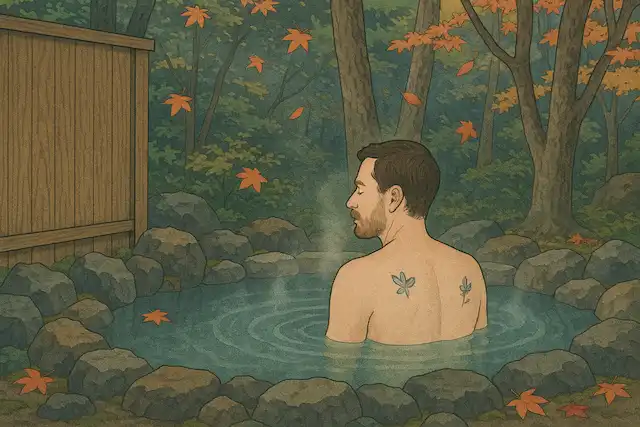
Decoding Onsen Policies: Why It’s So Tricky
Trying to figure out whether an onsen will accept your tattoos is rarely simple. Most places don’t mention tattoo policies on their websites. Big booking sites almost never list it clearly, and digging through reviews is time-consuming and unreliable. Even reaching out to ask can feel intimidating if you don’t speak Japanese.
Many onsen sit in a gray area too. They’re not strictly no-tattoo, but they’re not openly welcoming either. It can come down to whether staff feel comfortable letting you in that day.
That’s exactly why TattooFriendlyOnsen.com exists. We’ve spent hundreds of hours researching onsen across Japan and verifying more than 130 onsen, ryokan, and sento that welcome tattooed guests. So you can skip the second guessing and plan your soak with confidence without worrying about hidden surprises.
Now that you know we’ve done the hard part for you, let’s walk through how to plan your onsen experience step by step.
Planning Your Onsen Experience: A Step-by-Step Guide
Time to turn research into confident action.
Research and Selection Phase
Start with your big-picture itinerary. Which destinations are non-negotiable? How much time do you have for day trips to lesser-known towns or overnight getaways off the beaten path?
For example, do you only have time for a quick day trip to Hakone, or can you fit in an overnight stay on your way from Tokyo to Kyoto or Osaka? That’s what I always do.
Once you’ve got that sketched out, search through our tattoo-friendly onsen directory to see what fits your plans. You can browse by location or look up specific onsen you’ve seen in videos or blogs. Just double-check those policies for stress-free planning.
Your hot springs visit shouldn’t just be tattoo-friendly. It should enhance your trip and feel like a highlight, not a hassle. Think about how it fits your travel style, where it makes sense in your route, and how it adds to your best-ever Japan adventure.
Pro Tip: Relaxing in an onsen is a great way to “rest and recover” from those exhausting 20,000+ step days or long travel days from one end of the country to another.
There’s so much amazing travel inspiration out there. Use it all and let us help you verify the details that matter most. We’re here to make your dream onsen experience happen without the guesswork.
Booking with Confidence
Whenever you can, use booking sites that offer free cancellation. It gives you peace of mind and the flexibility to confirm tattoo policies directly if you want to double-check.
Personally, I love Booking.com because it’s clear about free cancellation options and makes it easy to message the property if you have any questions or want to triple-check their tattoo policy.
If you do reach out, keep it simple and respectful. A quick message like, "I have tattoos and want to make sure I can bathe respectfully at your onsen" usually gets you an honest, helpful reply.
You never need to apologize for your tattoos. You are not asking for special treatment. You are showing you want to be a good guest.
Once your booking is sorted, a little preparation goes a long way. Let’s get you ready to soak stress-free and enjoy every moment.
Pre-Visit Preparation
A quick etiquette review before you go rounds out your preparation; the etiquette section below covers the basics.
Pack appropriately based on your chosen facility type and confirmed policies:
- Tattoo Cover Up Stickers (you can easily find these in major drug stores once you arrive in Japan)
- Personal toiletries (onsen usually supply these but local sento bathouses often require you to bring your own soaps and towels)
- Comfortable post-onsen relaxation clothing (provided at most ryokan stays)
Mental preparation involves embracing vulnerability as part of the cultural experience. Yes, you'll be naked with strangers, but at least they'll be looking at your tattoos instead of... well, everything else!
This shared vulnerability creates the authentic communal bonds that make onsen culture so meaningful.
Regional Variations: Where Acceptance Thrives
If my best friend sat me down and said, "I want to experience onsen in Japan, but I have tattoos... where should I start?" these are the places I’d share first.
I’ve hand-picked a mix of classic destinations you’ve probably dreamed of visiting for years and a few off-the-beaten-path towns that reward travelers looking for something more local, peaceful, and memorable. Each one balances authentic onsen culture with a real chance of feeling welcome, tattoos and all.
They’re places I trust because I’ve spent decades traveling to Japan, soaking in baths from snowy mountain towns to neon-lit cities, and seeing firsthand how acceptance is changing.
And if you’d like even more inspiration, let me know. I’d love to share extra roundup guides with my favorite tattoo-friendly onsen for special trips, whether that’s romantic escapes, snow-season soaks, or budget-friendly day trips.
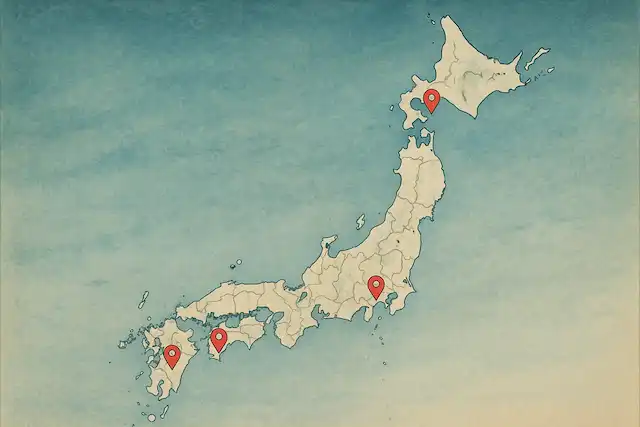
Popular Tourist Destinations
Major tourist hubs like Tokyo, Kyoto, Osaka, and Hakone are the easiest starting points for a tattoo-friendly soak. They’re already part of most first-timer itineraries, so you won’t need to plan a huge detour just to test the waters.
Think of it like this: even if you only have time for a quick local sento soak after a day spent exploring temples or shopping, you’ll find plenty of options, from traditional Japanese-style ryokan inns to western hotels with onsen spa facilities. And if you’re craving more nature, a simple day trip to Hakone or Mt. Fuji is an easy way to split up your city stay with a peaceful soak surrounded by mountains.
Tokyo
Tokyo is the perfect stress-free starter city. From modern spa complexes in Shibuya to retro sento in Asakusa, you’ll find a growing number of tattoo-friendly places, especially around neighborhoods that cater to international visitors. Many modern facilities even advertise their inclusive policies up front, so keep an eye out for “Tattoo OK” signs or listings.
Kyoto
Kyoto is all about traditional vibes and historic charm, and while many older baths stick to stricter rules, you’ll find more and more ryokan and small day-use spots quietly welcoming respectful travelers with tattoos. Private onsen suites at ryokan are especially popular here for worry-free soaking, and they’re an amazing way to unwind after a day exploring temples and gardens.
Osaka
If you love good food and a laid-back vibe, Osaka is an easy city for tattooed travelers. This city’s famous hospitality extends naturally to onsen culture too: many urban facilities welcome tourists with tattoos, especially near popular shopping and nightlife districts. It’s an easy place to combine a soak with a fun night out.
Hakone
Hakone is my go-to for a classic onsen day trip or overnight stop near Tokyo. The region has a good mix of modern spa resorts and traditional ryokan with private bath options, perfect if you’re not sure how strict a place might be. It’s also easy to visit year-round, with beautiful mountain views, art museums, and lakeside walks.
Traditional Onsen Towns Leading Change
Plot twist: some of Japan’s most traditional onsen towns are quietly leading the way in tattoo acceptance.
Places like Kinosaki, Kusatsu, and Beppu are embracing thoughtful changes that strengthen their communities while keeping authentic experiences alive. Many local owners see cultural exchange as a chance to share what makes these towns so special, not something that waters it down.
These towns work especially well if you want a classic onsen vibe with real ryokan stays, strolls through historic streets, and a warm sense of local welcome. They’re easy to reach as day trips from major cities, or even better, as an overnight stay to slow down and soak it all in.
Kinosaki Onsen
If you want the perfect walkable onsen town that feels like stepping back a few centuries, this is it. Kinosaki is famous for its seven public bathhouses, all tattoo friendly (six are open today; Satono-yu is closed for long-term renovations), and most ryokan stays include a pass so you can hop freely from one to the next. Slip on your yukata, wander the lantern-lit streets, and soak at your own pace. It’s hard not to fall in love with this place.
Kusatsu Onsen
Kusatsu is a big name for a reason: famous nationwide for its healing sulfur springs, Kusatsu is a must if you want that classic mountain onsen experience. Attitudes are shifting here too, especially among younger-run ryokan and guesthouses. Picture soaking under falling snow in an open-air bath before wandering through steamy streets. It’s worth the trip if you want a taste of old Japan with a welcoming spirit.
Beppu
Japan’s onsen capital has something for everyone. From sand baths to steam baths, you’ll find all kinds of unique wellness experiences in Beppu. Many local spots understand international visitors well and accommodate respectful guests with tattoos. The Kyushu region is a bit off the beaten tourist path, but well worth a visit for those willing to venture down south.
Lesser-Known Towns Worth the Detour
Sometimes the most rewarding onsen experiences come from places that don’t make every “top ten” list. These lesser-known towns are where you’ll often find genuinely welcoming attitudes, fewer crowds, and a deeper connection to local life. Especially if you’re respectful and open-minded about the experience.
Here are a few spots I’d share with friends who want something a little quieter, more personal, and worth the extra planning.
Arima Onsen
Tucked in the hills above Kobe, Arima is one of Japan’s oldest hot spring towns. It’s easy to reach from Osaka but feels worlds away, with narrow lanes and historic wooden ryokan. Many local inns offer private baths, which are perfect if you have larger tattoos or just want a stress-free soak. It’s the ideal mini escape from the city.
Nikko
Most people visit Nikko for its famous shrines and skiing, but it’s a lovely onsen stop too, without the crowds. Small inns and day-use baths here tend to be more flexible, especially if you visit midweek or outside peak tourist season. Combine an early morning shrine visit with an afternoon soak surrounded by trees and fresh mountain air.
Dogo Onsen
Dogo Onsen in Matsuyama is said to be Japan’s oldest hot spring town, with a literary and cultural vibe that feels completely different from big-name resorts. Some inns have started embracing more flexible tattoo policies to attract respectful international travelers. Soak in a historic bathhouse, wander the old shopping arcades, and enjoy the quirky charm that makes Dogo special.
Now that you have a better idea where tattoo-friendly travelers are welcome, let’s make sure you know how to choose the type of hot spring that fits your travel style, so you feel ready to book with confidence.
Different Types of Hot Spring Facilities Explained
Let’s clear up the onsen confusion. Once you know the basics, it’s much easier to choose what matches your comfort level, budget, and the kind of soak you actually want on your trip.
Over the years, I’ve learned that picking the right type of bath can make the difference between feeling awkward and feeling completely at ease. So here’s what I’d tell my own friends and family when they’re deciding what works best for them.
Onsen vs. Sento: What's the Difference?
Onsen use natural mineral-rich hot spring water, which many people believe has healing properties. They often feel more traditional and can carry deeper cultural and spiritual significance. Some rural onsen still stick to stricter tattoo policies, but plenty now offer private baths or are fully tattoo-friendly, especially in towns that see lots of respectful international visitors.
Sento, on the other hand, are neighborhood public bathhouses that use regular heated tap water. They’re everywhere in big cities like Tokyo and Osaka, and they’re often more casual and budget-friendly. Many sento are quietly flexible about tattoos, especially if you’re polite and follow local etiquette. Just remember to bring your own small towel and toiletries; that’s part of the old-school charm.
When it’s best to pick:
- Onsen: Perfect if you want that classic, scenic hot spring feel, especially for overnight stays at ryokan or day trips to famous onsen towns.
- Sento: Great for a quick, local soak after a long day exploring the city. I love slipping into a tiny sento in Kyoto after wandering the backstreets, as it feels real and affordable, and the locals are often curious in a good way.
Personally, I’ve learned to enjoy both, and I’d encourage you to try whichever feels right for you on any given day.
Private Onsen & Kashikiri: Total Peace of Mind
Private onsen (aka kashikiri buro) are a guaranteed way to soak without stress. You get your own bath, either in a reserved time slot or attached to your room at a ryokan or resort. No strangers, no cover-ups, no worries about policy surprises.
This is what I always recommend to friends with larger tattoos, couples who want to bathe together (mixed-gender onsen are rare), or first-timers who feel shy about communal nudity. Private baths can be indoors or open-air (rotenburo), and many places now design them specifically to welcome international guests.
When it’s best to pick:
- You have big or multiple tattoos that can’t be covered easily.
- You’re traveling with a partner or family and want to bathe together.
- You just want total privacy and an easy experience, especially on your first trip.
Just imagine slipping into a kashikiri bath after a long day exploring. You come back, slip into your yukata, and unwind in your own private bath. One of my favorite feelings in the world.
Ryokan: The Traditional Japanese Hospitality Experience
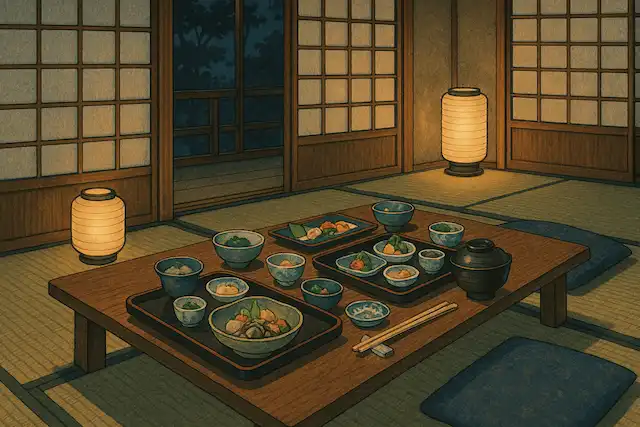
If you want the full traditional onsen experience, staying at a ryokan is something I always recommend at least once. A ryokan is a Japanese-style inn. Think tatami floors, sliding doors, local kaiseki dinners, and of course, beautiful onsen baths.
Many ryokan have their own private baths or kashikiri options, which makes soaking with tattoos much simpler. Plus, you get to experience omotenashi, the warm, attentive hospitality that is the pride of Japanese inns. It’s service raised to an art form, and it makes you feel genuinely cared for as a guest.
One of the best parts? The food. Many ryokan include multi-course kaiseki dinners and beautiful Japanese breakfasts in your stay. It’s a chance to taste seasonal, local ingredients you’d never find on a standard restaurant menu, all served in your room or a private dining area.
When it’s best to pick:
- You want an authentic cultural moment that goes beyond just bathing.
- You’re celebrating something special, like a honeymoon, anniversary, or solo treat-yourself trip.
- You prefer everything in one place: your room, your soak, your meal.
Personally, I love splurging on a ryokan for one or two nights of a trip. It’s my favorite way to slow down, enjoy incredible food, and experience Japanese hospitality at its best.
You don’t have to pick the ‘perfect’ type of hot springs experience. Just choose what feels right for you (or try them all!).
Next, I’ll share a few simple etiquette basics to help you feel comfortable wherever you soak, and make sure you’re always a guest locals want to welcome back.
Onsen Etiquette 101
Respectful onsen etiquette is the key to feeling welcome, and it’s simpler than you might think. Locals appreciate visitors who try, even if you’re not perfect.
There’s a Japanese idea that captures this better than any checklist: kuuki wo yomu, or “reading the air.” As certified onsen sommelier Miki Lendon puts it in her CNN travel guide to onsen culture: “If everyone is soaking in silence, do the same. If the bath is filled with chatter and laughter, feel free to join in. It’s less about rules and more about harmony, respect, and simply enjoying the shared experience.”
Here are a few basics I always remind my friends before they go.
Choose the Right Bath
First time? Double-check the entrance signs. It’s surprisingly easy to walk into the wrong bath if you’re not paying attention. Most onsen have separate baths for men and women. Look for the colored curtains or signs at the entrance: blue or navy usually means men (男), red or pink means women (女). Some places switch baths by time of day, so always read the signs if you’re visiting more than once.
Once inside the changing room, you’ll undress and store everything in a basket or locker. This is also where you should leave your phone. It keeps the bath area peaceful and private for everyone.
Wash First, Always
Before you even dip a toe in the bath, scrub up thoroughly with soap at the shower area. You’re showing respect for everyone who shares the water with you. If you have long hair, tie it up or use a shower cap to keep it out of the water. And yes, bathing suits aren’t a thing. You’ll be completely naked like everyone else, but trust me, nobody cares. It’s part of what makes onsen culture feel so equal and freeing.
Leave Your Phone in the Locker
Keep your phone tucked away in the changing room. It protects everyone’s privacy and lets you focus on relaxing without distractions.
Keep Your Voice Low
Onsen are peaceful spaces for everyone to relax. Locals come here to unwind, not to overhear gossip. If you’re with friends, whisper and keep it calm. A little quiet respect goes a long way.
Respect Shared Space
One of the most special parts of onsen culture is that everyone shares the same space, no matter who they are. The bath equalizes everything. There is no status, no judgment, and no distractions. Locals love this about onsen, and you will too. By being calm, polite, and open-minded, you’re stepping into a beautiful part of Japanese life that makes you feel genuinely welcome.
When you’re done soaking, use your small towel to pat yourself dry before heading back to the changing room. Nobody wants puddles near their clothes. A little courtesy goes a long way.
Take Care of Yourself
Onsen bathing can really warm you up, so remember to drink plenty of water before and after. Staying hydrated keeps you feeling good and ready for more adventures.
You’re Ready and You’re Welcome
If you’ve made it this far, I want you to know something important. You’re prepared, and more than that, you’re the kind of traveler these places are learning to welcome more and more.
You’ve done what most people never do. You’ve taken the time to understand the culture, to respect it, and to find a way to belong without hiding who you are.
Now you’re ready to book without second guessing. You know where to go, what to expect, and how to soak in a way that’s respectful, relaxed, and real.
And when you’re ready to take that next step, I’ve got you. Our directory and onsen roundups are here to make the planning part effortless.
Thanks for reading and see you in the hot spring.
P.S. When you’re ready, our hand-picked hot springs directory is always here to help. Just the best tattoo-friendly onsen in Japan, waiting for you to visit and enjoy, with the guesswork already done.
Ready to Find Your Perfect Onsen?
Browse our directory of verified tattoo-friendly hot springs across Japan.
Browse Onsen DirectoryAbout the Author

Founder of Tattoo Friendly Onsen
Mat Roniss is a Japanese-American travel editor and founder of Tattoo Friendly Onsen, with over 30 years of experience visiting onsen throughout Japan. He has a deep understanding of Japanese onsen culture and etiquette, having spent hundreds of hours researching and verifying onsen tattoo policies, and runs tattoofriendlyonsen.com as a free travel resource to help tattooed tourists research and plan tattoo-friendly onsen and ryokan visits for their Japan holiday trips.